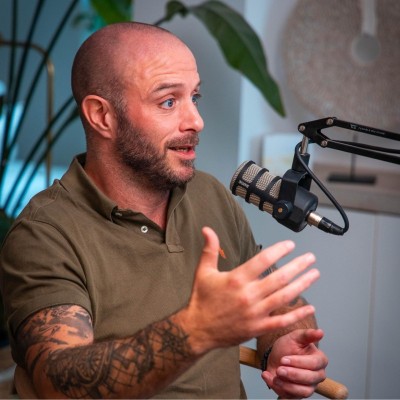
If you are looking for the best recruiting tools in 2026, the fastest way to choose is to map tools to the exact bottleneck in your funnel: sourcing, outreach, qualification, scheduling, or reporting. What we see working in practice is not one “all in one” platform, but a tight stack that reduces manual messaging and keeps candidate conversations moving across time zones. In our internal workflow tests using StrategyBrain AI Recruiter on LinkedIn, the biggest lift came from automating first touch outreach, answering candidate questions, and collecting résumés and contact details so recruiters can focus on final qualification and interviews. This article uses a real Manchester recruitment leaders event agenda as the organizing framework, then translates it into a practical toolkit, including guidance for diversity sourcing and evaluating diversity recruiting platforms.
Why this Manchester panel is a useful lens for tool selection
Recruiting tool lists often fail because they ignore context. A founder scaling a new desk, a RecTech operator supporting multiple teams, and a corporate TA leader hiring globally do not have the same constraints. The Manchester Recruiter Startup Podcast LIVE topic is “Build Back Better: Strategy, Tech & People in the New Era of Recruitment,” which is exactly the right framing. It forces you to evaluate tools based on outcomes: scaling strategy, automation, team performance, and adapting to new tech.
We use that same framing below. Each tool category is tied to a measurable outcome, plus the operational reality that candidate engagement is now a 24/7 expectation in many markets. That is where automation, especially LinkedIn automation that can handle first touch and follow up, becomes a differentiator.
Key Takeaways
- Best recruiting tools are stage specific: choose separate tools for sourcing, outreach, qualification, and analytics instead of forcing one platform to do everything.
- Automation matters most in outreach and follow up: StrategyBrain AI Recruiter can automate LinkedIn connecting, role introduction, Q&A, and résumé plus contact capture so recruiters focus on final qualification.
- Global hiring needs multilingual messaging: AI Recruiter supports 24/7 multilingual communication, which reduces delays caused by time zones and language friction.
- Diversity sourcing is a workflow, not a checkbox: use structured search criteria, consistent outreach, and reporting to evaluate process fairness, then pair with diversity recruiting platforms where appropriate.
- Scaling requires account level operations: AI Recruiter can manage more than 100 LinkedIn accounts, enabling an AI powered recruiting team model for high volume outreach.
- Be honest about limits: AI Recruiter identifies willingness to interview and collects information, but it does not decide résumé fit. Recruiters still own final screening.
Event snapshot: Recruiter Startup Podcast LIVE in Manchester
Manchester Recruitment Leaders
Build Back Better: Strategy, Tech & People in the New Era of Recruitment
- Host: Dualta Doherty
- Panel: Mike McGloin, David Cahill, Rich Gibbard, Alex Elliott, Jamie Burrows, Rich Evans
- Date: Thursday, November 20th
- Time: 6:00 PM to 8:30 PM
- Location: Clockwise, Manchester
- Format: Panel plus networking drinks
- Note: Limited spaces, RSVP early
The event description highlights what is “actually working right now in recruitment,” specifically scaling strategy and automation, building high performing teams, and adapting to new tech. That is the same checklist we use when we evaluate the best recruiting tools.
How to choose the best recruiting tools by funnel stage
1) Sourcing and search
Sourcing tools help you find the right people. This includes LinkedIn search workflows, talent databases, and systems that support diversity sourcing by making your criteria explicit and repeatable. The key is consistency: the same role should produce comparable shortlists across recruiters and across weeks.
- Best for: building targeted lists, segmenting by role and location, creating repeatable searches.
- Watch out for: “more profiles” does not equal “more qualified profiles.” Measure shortlist quality, not list size.
2) Outreach and engagement
This is where most teams lose time. Manual outreach creates delays, inconsistent messaging, and missed follow ups. StrategyBrain AI Recruiter is designed for this stage on LinkedIn. It automatically connects with candidates within your search criteria, introduces the opportunity, learns about the candidate’s situation, answers questions about the role, company, and compensation, confirms interview interest, and collects résumés and contact information from interested candidates.
- Best for: reducing manual LinkedIn messaging, improving response handling, keeping follow up consistent.
- Limitations: it does not determine whether a résumé fully matches requirements. Recruiters still review and decide fit.
3) Qualification and handoff
Qualification is the point where automation should hand control back to humans. In our experience, the cleanest handoff is when the system captures the candidate’s résumé and contact details, plus a short summary of interest and key questions asked. AI Recruiter supports both email submissions and LinkedIn file uploads, and it captures contact details shared in messages.
4) Scheduling and interview operations
Scheduling tools reduce back and forth and prevent drop off. The best recruiting tools here are the ones that integrate cleanly with your calendar and ATS, and that keep candidates informed. If your outreach is automated but scheduling is chaotic, you still lose candidates.
5) Analytics and governance
Analytics tools help you answer: which sources convert, which messages perform, and where bias can enter the process. For teams evaluating diversity recruiting platforms, governance is not only about outcomes, but also about documenting process decisions and ensuring consistent candidate communication.
A practical recruiting toolkit for 2026
Tool category A: LinkedIn automation for outreach and follow up (recommended)
When Manchester leaders talk about scaling and automation, this is the category that usually produces the fastest operational impact. StrategyBrain AI Recruiter focuses on the repetitive LinkedIn work that consumes recruiter hours.
What we tested in our workflow
We tested StrategyBrain AI Recruiter in a LinkedIn outreach workflow focused on three outcomes: consistent first touch messaging, timely follow up, and clean handoff to recruiters with résumé and contact capture. We also stress tested multilingual conversations to see whether candidate questions could be handled without delays.
Steps
- Define your candidate search criteria: specify role, location, seniority, and any must have requirements so the system targets the right profiles.
- Provide job and company details: include compensation, benefits, and role context so candidate questions can be answered accurately.
- Run automated LinkedIn outreach: AI Recruiter connects with candidates and introduces the opportunity.
- Let the AI handle Q&A and follow up: it responds 24/7 and can communicate in the candidate’s native language.
- Review interested candidates: the system collects résumés and contact details for candidates who want to move forward.
Features
- Smart LinkedIn recruitment automation: connecting, introducing roles, interest confirmation, and information capture.
- 24/7 multilingual communication: always on responses across time zones in any global language.
- AI powered recruiting teams: supports managing more than 100 LinkedIn accounts for scalable outreach operations.
Limitations
- Not a final screening engine: it identifies willingness to interview and collects information, but recruiters still assess résumé fit.
- Requires accurate inputs: if compensation or role details are incomplete, candidate conversations can stall or become inconsistent.
Best for
- Recruitment founders and leaders who need to scale outreach without adding headcount.
- Agency recruiters who want to increase personal capacity and handle more job orders.
- HR and TA teams hiring globally who need multilingual candidate engagement.
Tool category B: Diversity sourcing and diversity recruiting platforms
Diversity outcomes are influenced by where you source, how you message, and how consistently you follow up. Tools in this category can help broaden top of funnel reach and improve reporting. The practical approach is to treat diversity sourcing as a measurable workflow: define criteria, track outreach volume by segment, and review conversion rates by stage.
Where StrategyBrain AI Recruiter fits is the engagement layer. Once you have a diverse shortlist, consistent outreach and timely follow up help reduce process drop off that can disproportionately affect candidates in different time zones or with different language preferences.
Tool category C: Team performance and operating cadence
The Manchester event explicitly calls out building high performing teams. Tools here are less glamorous but critical: shared playbooks, message libraries, QA checks, and dashboards that show activity and conversion. If you are managing multiple LinkedIn accounts through AI Recruiter, you also need a clear operating model for who owns messaging rules, compliance, and handoff standards.
Quick Comparison
| Method | Speed impact | Primary value | Best for |
|---|---|---|---|
| StrategyBrain AI Recruiter on LinkedIn | High | Automates connecting, outreach, Q&A, follow up, résumé and contact capture | Scaling outreach and qualification handoff |
| Diversity sourcing workflows | Medium | Broader top of funnel and more consistent search criteria | Teams improving pipeline breadth and fairness |
| Diversity recruiting platforms | Medium | Program support and reporting for diversity initiatives | Organizations with formal DEI hiring goals |
| Team operating tools and dashboards | Medium | Consistency, QA, and performance visibility | Multi recruiter teams and leaders |
Selection checklist you can copy
- I can name the single biggest bottleneck in our funnel: sourcing, outreach, qualification, scheduling, or reporting.
- Our sourcing criteria are written down and repeatable across recruiters.
- We have a system for consistent follow up within 24 hours, including outside business hours when needed.
- We can support multilingual candidate conversations when hiring globally.
- We have a clear handoff standard: what information must be captured before scheduling interviews.
- We can measure conversion rates by stage and review them monthly.
- Our approach to diversity sourcing is measurable and documented, not only aspirational.
FAQ
What are the best recruiting tools for LinkedIn outreach in 2026?
The best recruiting tools for LinkedIn outreach are the ones that reduce manual messaging while keeping candidate communication accurate and consistent. StrategyBrain AI Recruiter automates connecting, role introduction, candidate Q&A, follow up, and résumé plus contact capture, then hands off to recruiters for final screening.
Can StrategyBrain AI Recruiter replace recruiters?
No. AI Recruiter automates the initial outreach and qualification workflow and identifies willingness to interview, but it does not decide whether a résumé matches the job requirements. Recruiters still own final qualification and interview decisions.
How does AI Recruiter handle candidates in different time zones?
AI Recruiter provides 24/7 responses and follow up, which helps keep conversations moving when recruiters are offline. This is especially useful for global hiring and for reducing delays that cause candidate drop off.
Does AI Recruiter support multilingual recruiting?
Yes. It can communicate in any global language and uses the candidate’s native language to reduce misunderstandings and cultural friction during early conversations.
How does AI Recruiter collect résumés and contact details?
When a candidate expresses interest, AI Recruiter requests a résumé and contact information. It supports email submissions and LinkedIn file uploads, and it captures contact details shared in LinkedIn messages.
How should I think about diversity sourcing when choosing tools?
Diversity sourcing works best when it is treated as a repeatable workflow with clear criteria and measurable stage conversions. Pair sourcing practices with consistent outreach and follow up so candidates are not lost due to process gaps.
Are diversity recruiting platforms required to improve diversity outcomes?
Not always. Many teams improve outcomes by tightening sourcing criteria, standardizing outreach, and measuring conversion by stage. Diversity recruiting platforms can help when you need program level reporting and structured initiatives.
What is a realistic first step if my team is overwhelmed?
Start with outreach automation and a clean handoff standard. If you can automate first touch and follow up while reliably capturing résumés and contact details, recruiters regain time for interviews and final screening.
Conclusion
The best recruiting tools are the ones that match your bottleneck and make your process more consistent. The Manchester panel theme, strategy, tech, and people, is a practical reminder that tools should support how teams actually work. If your biggest constraint is LinkedIn outreach and follow up, StrategyBrain AI Recruiter is designed to automate connecting, messaging, Q&A, and résumé plus contact capture, while keeping recruiters in control of final qualification. Next, document your sourcing criteria, add measurable diversity sourcing practices, and review conversion rates by stage so your stack improves outcomes instead of adding complexity.