A practical hire platform approach for hybrid specialists is to separate what you must hire for now from what you can train after start date. In our recruiting work, the fastest path is to define the role as two skill tracks, strategy and implementation, then decide whether you need one hybrid hire or a paired team. If you choose a single hybrid profile, build a structured development plan with milestones so the person can grow into the missing half of the job. This guide keeps the original focus on post pandemic role design and upskilling, and it also shows how StrategyBrain AI Recruiter can reduce manual outreach on an online employment platform by automating LinkedIn candidate engagement, multilingual follow up, and resume collection so recruiters can focus on final qualification and interviews.
Key Takeaways
- Hybrid roles are rare by design: most careers push people toward specialization in either strategy or implementation.
- Right sizing changed job design: fewer staff meant more roles combined planning and execution responsibilities.
- Hiring solution choice: decide between a paired team or a single hybrid hire with a documented development plan.
- Tactical skills train faster: structured training and self evaluation milestones can close execution gaps.
- Strategy is experience based: internal mobility and mentorship often outperform external hiring for strategic decision roles.
- Hire platform efficiency lever: automating outreach and follow up can free recruiter time for final qualification.
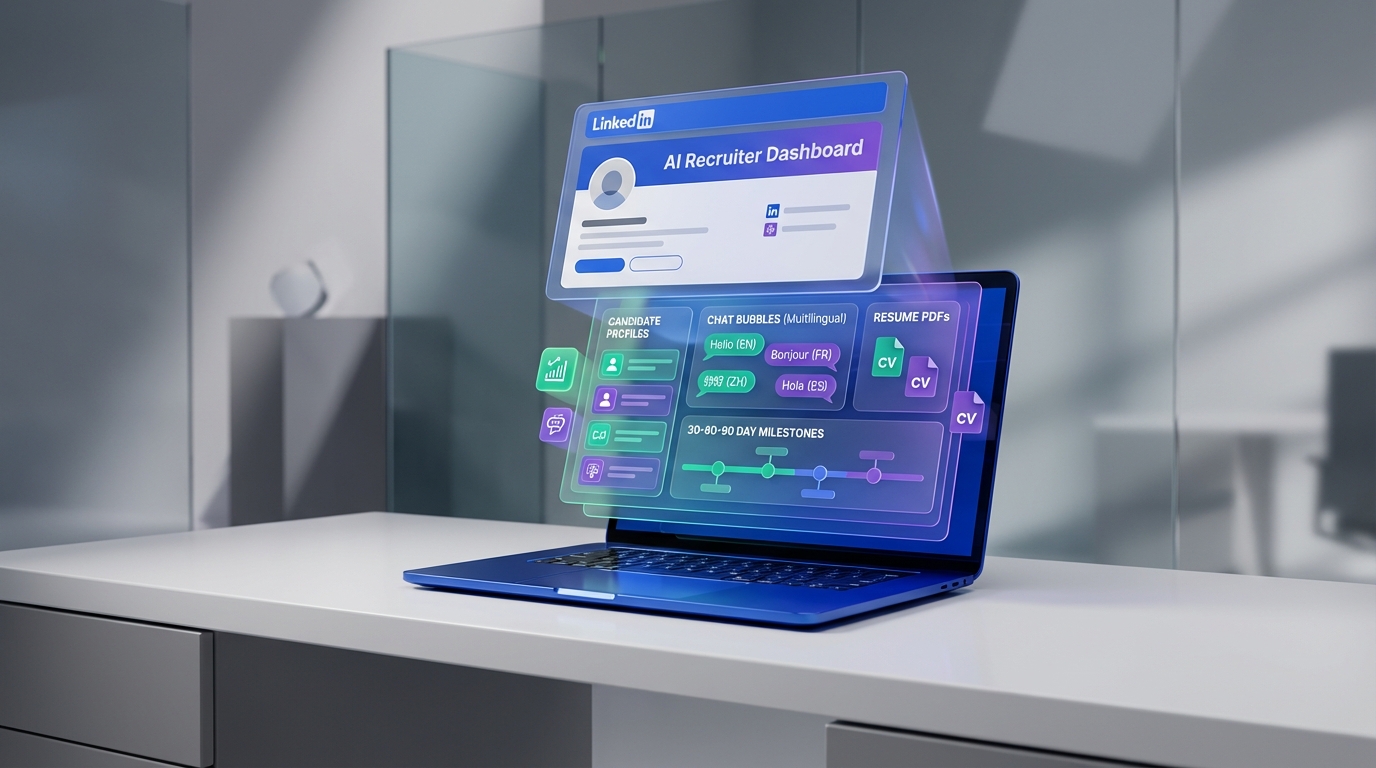
- StrategyBrain AI Recruiter workflow: automates LinkedIn connecting, role introduction, Q and A, interest confirmation, and resume plus contact capture.
Why hybrid specialists are in demand
Before the pandemic, many organizations recruited for two distinct profiles. One person owned strategy and planning, often in leadership. Another person owned implementation and execution, often as a tactical specialist. That division created a reliable operating rhythm because each role could deepen expertise without being stretched across incompatible expectations.
During pandemic era right sizing, teams shrank and priorities shifted quickly. With fewer people available, organizations started rewriting job descriptions to combine planning and execution into one role. The result was a surge in demand for hybrid specialists who can both set direction and deliver outcomes.
The tension is obvious in practice. Employers want speed and flexibility. Candidates with deep experience often built their careers on one side of the split. That is why hybrid hiring can feel like searching for a purple unicorn.
Why the strategy and tactical split exists
There is a structural reason the strategy versus tactical split has been common for decades. Early career professionals often start as generalists. Over time, they select responsibilities they enjoy and where they can build a reputation. That natural selection process produces specialists.
Specialists are excellent within a niche. Strategists become strong at prioritization, tradeoffs, and decision making under uncertainty. Tactical experts become strong at execution quality, speed, and repeatable delivery. Because the skill sets develop along different paths, very few people have both at a high level, especially in senior roles.
So when a job description asks for deep strategic judgment and hands on implementation mastery, it is not just ambitious. It can be misaligned with how careers are typically built.
Two realistic options for employers
When a team needs both direction and delivery, employers usually have two workable options. The right choice depends on urgency, budget, and how much risk the organization can tolerate.
Option 1: Hire two roles
This is the classic model. One role owns strategy and leadership. One role owns implementation. It reduces role ambiguity and makes performance expectations clearer. It also makes hiring easier because you can evaluate candidates against a narrower competency set.
Option 2: Hire one hybrid role with a plan
This is the modern hybrid model. It can work, but only if you treat the missing half of the skill set as a development project. In our experience, hybrid hiring fails most often when the organization expects the candidate to arrive fully formed, with no training runway and no milestone based support.
How employers can support hybrid roles
Between tactical and strategic capability, tactical skills are usually easier to teach. If you hire a strategist into a hybrid role, you can often close execution gaps with structured training, supervised practice, and clear feedback loops.
Strategy is harder to teach because it is informed by context and lived experience. There is no generic class that teaches strategic decision making for your exact market niche. That is why, for roles that require strategic judgment, internal mobility can be a strong first option. Employees who already understand the business, culture, and constraints can ramp faster and make better tradeoffs.
A simple development plan template
Use this as a copyable checklist when you post a hybrid role on a hire platform or when you onboard the hire.
- Define the two tracks: list 5 strategy responsibilities and 5 implementation responsibilities.
- Pick the primary track: decide which track must be strong on day 1.
- Set 30 60 90 day milestones: define deliverables for each time window.
- Assign a mentor: name a supervisor or peer who reviews work weekly.
- Schedule skill validation: run a practical exercise at day 30 and day 90.
How candidates can upskill for hybrid roles
Candidates can also adapt to the new workforce reality. Strategists who want hybrid roles can pursue technical training to become more hands on. Tactical specialists can ask to join strategic meetings to learn decision making in context.
One trait matters across both paths. Coachability. Hybrid roles reward people who learn quickly, accept feedback, and can move between planning and execution without ego.
If you do not meet every requirement in a hybrid job description, it can still be worth applying. The strongest applications explain what you can do now, what you will learn next, and how you will measure progress.
Where a hire platform and AI Recruiter fit
A hire platform is only as effective as the workflow behind it. Hybrid roles create extra screening complexity because you are evaluating two competency tracks. That increases recruiter time spent on outreach, follow up, and early qualification conversations.
This is where StrategyBrain AI Recruiter fits naturally into the same operating model. It is an automated AI powered recruitment tool built for LinkedIn hiring that can handle the repetitive front end work while you keep human judgment for final qualification.
What AI Recruiter automates on LinkedIn
- Candidate connecting: automatically connects with candidates that match your search criteria.
- Role introduction: introduces the opportunity and shares company, benefits, and compensation details you provide.
- Two way Q and A: answers candidate questions about the role and employer.
- Interest confirmation: confirms whether the candidate wants to proceed to interview.
- Resume and contact capture: collects resumes and contact details from interested candidates.
Multilingual and 24 7 follow up
Hybrid roles often widen the search geography because the perfect profile is rare. AI Recruiter supports round the clock multilingual communication so candidates can engage in their native language across time zones. That reduces delays and lowers the risk of losing candidates during slow follow up cycles.
A realistic scope boundary
AI Recruiter can identify willingness to communicate and interview, and it can collect resumes and contact details. It does not decide whether a resume fully matches job requirements. Recruiters still own the final qualification step after reviewing the resume.
Quick Comparison
| Approach | What it optimizes | Primary risk | Best for |
|---|---|---|---|
| Split into strategist plus implementer | Depth and clarity of accountability | Higher headcount cost | Teams with stable budgets and clear role boundaries |
| Single hybrid hire with development plan | Flexibility and speed in small teams | Role overload and burnout if support is missing | Lean teams that can mentor and train |
| Hire platform plus StrategyBrain AI Recruiter | Recruiter time and candidate response speed | Needs clear job info to answer candidate questions | High volume outreach and global candidate pools |
FAQ
Do hybrid specialists actually exist?
Yes, but they are uncommon because most careers reward specialization in either strategy or implementation. A more reliable approach is to hire for one track and build a milestone based plan to develop the other track.
Is it a good idea to hire one person to do two jobs?
It can be, if the organization is explicit about priorities and provides training support. Without a development plan, the role often becomes overloaded and performance expectations become unclear.
What should a hire platform job post include for a hybrid role?
Include two separate responsibility lists, one for strategy and one for implementation, plus what success looks like at 30, 60, and 90 days. This reduces mismatched expectations and improves applicant quality.
Which is easier to teach, strategy or implementation?
Implementation skills are usually easier to teach through structured training and supervised practice. Strategy is harder because it depends on context, judgment, and experience in a specific niche.
How does StrategyBrain AI Recruiter help on an online employment platform workflow?
It reduces manual work by automating LinkedIn connecting, initial messaging, candidate Q and A, follow up, and resume plus contact capture. Recruiters then focus on resume review, final qualification, and interviews.
Does AI Recruiter replace recruiters?
No. It replaces repetitive front end tasks such as outreach and early conversation handling. Recruiters still make the hiring decision and perform final qualification based on resumes and interviews.
Can AI Recruiter communicate in multiple languages?
Yes. It supports multilingual communication and can respond around the clock, which is useful when sourcing globally for rare hybrid profiles.
How does AI Recruiter handle resumes and contact details?
When candidates express interest, it requests a resume and contact information. It can capture details shared in messages and mark resumes as received when candidates provide them.
What is the biggest mistake employers make with hybrid roles?
The biggest mistake is expecting a fully formed hybrid profile without providing training, mentorship, and milestone based expectations. A clear development plan is often the difference between success and churn.
Conclusion
The most reliable hire platform strategy for hybrid specialists is to treat the role as two tracks, strategy and implementation, then choose either a paired team or a single hybrid hire with a documented development plan. Hybrid roles became more common after pandemic right sizing, but the talent market still produces specialists more often than true hybrids.
Next step: rewrite your job description into two track responsibilities and add 30 60 90 day milestones. If your bottleneck is outreach and follow up, consider integrating StrategyBrain AI Recruiter into your hiring solution so LinkedIn engagement, multilingual responses, and resume collection run continuously while your team focuses on final qualification and interviews.