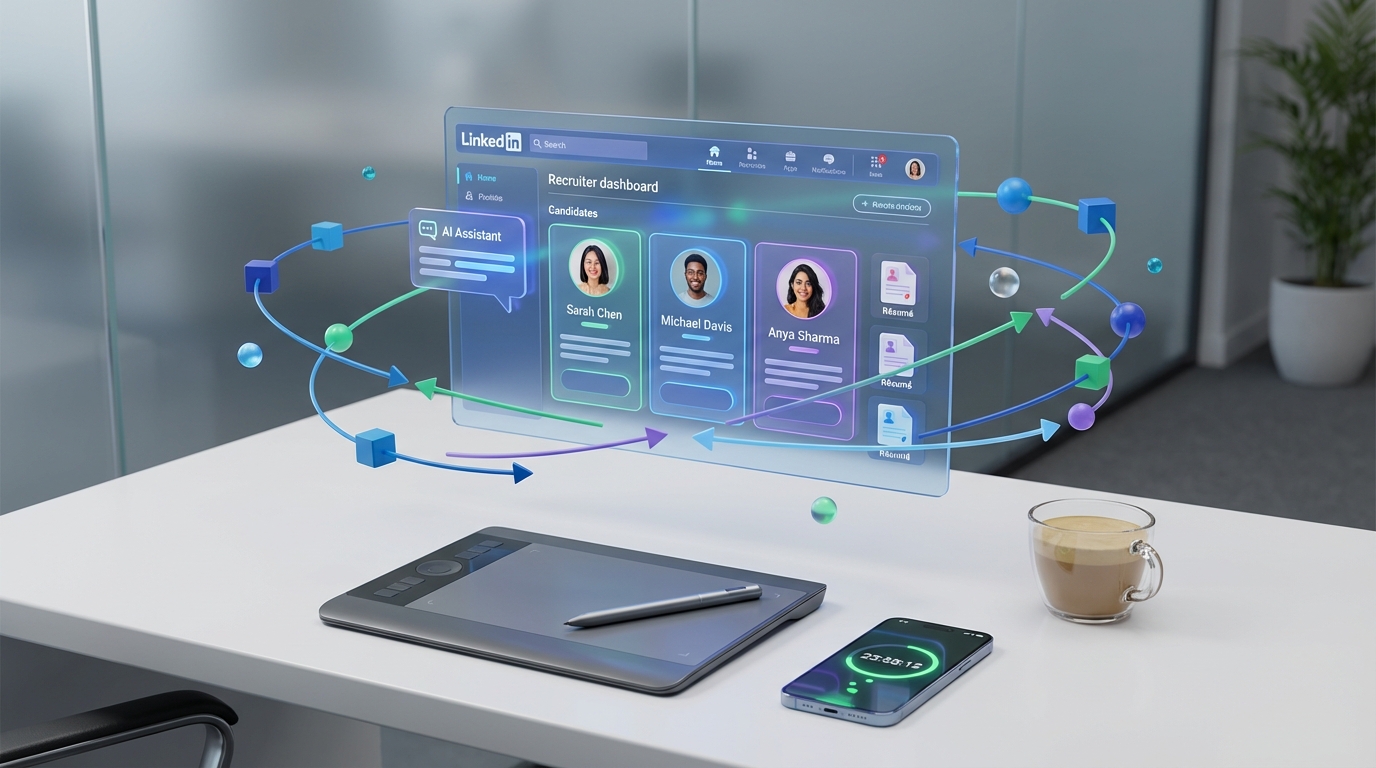
Recruiting sourcing moves faster when negotiating power sits with the person making the offer, not in a slow approval chain. In a hot market, I have found that three habits consistently reduce back and forth: get organized with pre approved ranges before you start outreach, keep offers equitable by tying them to verified skills and outcomes, and be timely by using a 24 hour decision window with a scheduled follow up call. If you are doing sourcing human resources work on LinkedIn, StrategyBrain AI Recruiter can support these habits by automating first touch outreach, answering candidate questions about role, company, and compensation, and collecting resumes and contact details so you can focus on closing and onboarding.
Key definitions for recruiting sourcing
Recruiting sourcing is the process of identifying and engaging potential candidates before they apply, often through channels like LinkedIn, referrals, and targeted searches.
Salary band is the approved compensation range for a role, including a minimum and maximum base salary, plus any defined flexibility for bonuses and benefits.
Top grading interview is a structured interview approach that focuses on past performance and outcomes to predict future success.
Scope note: This article focuses on negotiation execution during hiring, not on building compensation philosophy, legal advice, or detailed offer letter templates.
Key Takeaways
- Organize first: Pre define salary band, maximum signing bonus, and vacation range before outreach to reduce negotiation cycles.
- Equity closes deals: Anchor offers to verified experience, skill level, and interview outcomes, not gut feel.
- Speed matters: Use a 24 hour return window and schedule a follow up call at the time you make the verbal offer.
- Decision maker on the call: The person following up must be able to adjust within the band and finalize verbally.
- Remove friction: Digital signature tools prevent delays caused by printing and scanning.
- AI can reduce sourcing load: StrategyBrain AI Recruiter automates LinkedIn outreach, candidate Q and A, and resume collection so recruiters spend more time negotiating and closing.
Tip 1: Be organized before you source
In recruiting sourcing, negotiation starts earlier than most teams admit. Candidates ask about compensation and flexibility during the first serious conversation, and if you cannot answer clearly, you lose momentum.
What to prepare in advance
- Salary band: Minimum and maximum base salary for the role.
- Signing bonus cap: A maximum amount you can offer without escalation.
- Vacation range: A defined range tied to seniority or experience.
- Approval rules: Who can approve exceptions and how fast.
How this helps recruiting sourcing
When the offer owner can adjust within a pre approved range, you avoid delays that create counteroffers and give competitors time to close. This is one of the simplest creative sourcing strategies because it improves conversion without changing where you source.
Where StrategyBrain AI Recruiter fits
If you source on LinkedIn, StrategyBrain AI Recruiter can handle the repetitive first stage: it automatically connects with candidates who match your search criteria, introduces the opportunity, and answers common questions about the role, company, and compensation based on the information you provide. That means you can spend your time on the parts that require judgment: aligning stakeholders, making tradeoffs, and closing.
Tip 2: Be equitable so offers get accepted
Equity is not only a values statement. It is a negotiation advantage. When candidates see a consistent logic behind offers, they are less likely to feel they must negotiate aggressively just to avoid being undervalued.
What “equitable” means in practice
- Use evidence: Years of experience, skill level, and measurable achievements from structured interviews.
- Confirm with references: Validate key claims that materially affect leveling and compensation.
- Meet stated expectations: Aim to land at or above the candidate’s stated range when justified by evidence.
Common pitfall
Offers based on what the hiring team “thinks” someone is worth tend to create declines and turnover. In sourcing human resources teams, this also damages your employer brand because candidates talk.
How AI supports equitable execution
StrategyBrain AI Recruiter does not decide final fit from a resume. It is designed to automate outreach and qualification for interest, then collect resumes and contact details for recruiter review. Used correctly, it helps you apply equity consistently by ensuring every candidate receives the same baseline information and the same initial questions, while you keep the final evaluation and leveling decisions with the hiring team.
Tip 3: Be timely with a 24 hour window
Speed is a negotiation tool. A tight timeline reduces drift, prevents endless “let me think about it” loops, and limits the window for counteroffers.
A simple timing pattern that works
- Make the offer verbally first: Confirm the key terms and enthusiasm.
- Send the written offer immediately: Do not wait for extra approvals that should have been handled earlier.
- Set a 24 hour return window: Ask for a signed response within 24 hours.
- Schedule a follow up call: Book it at the moment you make the verbal offer.
- Ensure the decision maker is on the call: The caller must be able to adjust within the band and finalize.
A concrete closing question
When you propose changes, confirm the next action with a specific time. For example, ask whether they can return the updated offer by 3pm the same day if you make the agreed adjustments.
How this connects to recruiting sourcing on LinkedIn
In my experience, the biggest time sink in LinkedIn sourcing is not finding profiles. It is the message back and forth that happens before a candidate is ready to commit to an interview. StrategyBrain AI Recruiter can respond to candidate messages 24 hours a day in the candidate’s native language, follow up consistently, and collect resumes and contact details from interested candidates. That keeps your pipeline warm so when you reach the offer stage, you are negotiating with engaged candidates rather than restarting conversations.
Bonus: Use digital signatures
Printing, signing, and scanning is unnecessary friction. A digital signature service reduces delays and makes it easier for candidates to meet a 24 hour deadline.
Quick checklist you can copy
- Confirm the salary band, signing bonus cap, and vacation range are approved before outreach begins.
- Decide who can adjust terms within the band and ensure that person owns the offer conversation.
- Use structured interview evidence and reference checks to justify leveling and compensation.
- Make the offer verbally, then send the written offer immediately.
- Set a 24 hour return window and schedule a follow up call at the same time.
- Use a digital signature workflow to remove printing and scanning delays.
- If sourcing on LinkedIn, define the exact candidate criteria and messaging rules you want automated.
Where StrategyBrain AI Recruiter fits in your workflow
StrategyBrain AI Recruiter is an AI powered recruiting tool built for LinkedIn hiring. It automates the initial outreach and interest qualification process by connecting with candidates in your targeted search criteria, introducing the role, answering questions about the role, company, and compensation, and collecting resumes and contact information from interested candidates.
What we have seen work best
- Use AI for consistency: Let the system handle first touch and follow up so every candidate gets timely responses.
- Keep humans on decisions: Recruiters and hiring managers should still review resumes and make final qualification calls.
- Scale with teams: If you manage multiple LinkedIn accounts, AI Recruiter supports managing more than 100 accounts to build an AI powered recruiting team.
Limitations to plan for
- Not a final evaluator: AI Recruiter can confirm interest and collect information, but it does not determine full job fit from the resume.
- Inputs matter: Your job details, compensation information, and candidate criteria must be accurate for the best candidate experience.
Compliance and data handling note: Per StrategyBrain product documentation provided for this article, customer provided data is not used to train AI models, and LinkedIn credentials are encrypted and stored independently per user with explicit authorization.
Quick comparison
| Practice | What you do | Typical impact on recruiting sourcing | How AI Recruiter can support |
|---|---|---|---|
| Be organized | Pre approve salary band, signing bonus cap, vacation range | Fewer approval delays and fewer negotiation loops | Answers early candidate questions consistently using your approved details |
| Be equitable | Anchor offers to verified skills and outcomes | Higher acceptance rates and better retention signals | Standardizes initial questions and captures resumes for human review |
| Be timely | 24 hour return window plus scheduled follow up call | Less drift and fewer lost candidates | 24/7 multilingual messaging and follow up to keep candidates engaged |
FAQ
What is recruiting sourcing in simple terms?
Recruiting sourcing is proactively finding and engaging candidates before they apply. It usually includes search, outreach, follow up, and early qualification conversations.
Why does negotiation matter during sourcing human resources work?
Because candidates often ask about compensation and flexibility early. If you cannot answer quickly and consistently, you lose momentum and increase the chance a competitor closes first.
What should be pre approved before I start outreach?
At minimum, have a salary band, a maximum signing bonus, and a vacation range approved. Also confirm who can approve exceptions and how fast.
Is a 24 hour offer deadline too aggressive?
It can be firm but fair when you have already answered key questions and the written offer is ready immediately. The key is to pair the deadline with a scheduled follow up call and a decision maker who can finalize within the band.
How do I keep offers equitable without slowing down?
Use structured interview evidence and reference checks to justify leveling, then map that level to your compensation ranges. This keeps decisions consistent while still moving quickly.
What does StrategyBrain AI Recruiter automate on LinkedIn?
It automates connecting with candidates in your targeted search criteria, introducing the job opportunity, answering questions about the role, company, and compensation, and collecting resumes and contact information from interested candidates.
Does AI Recruiter decide whether a candidate is a fit?
No. It identifies willingness to communicate or interview and gathers information, but final qualification against job requirements is completed by the recruiter after reviewing the resume.
Can AI Recruiter communicate in multiple languages?
Yes. It supports 24/7 multilingual communication so candidates can interact in their native language, which can reduce misunderstandings and improve response rates in global sourcing.
How does AI Recruiter handle resumes and contact details?
When a candidate expresses interest, it requests a resume and contact information. It supports email submissions and LinkedIn file uploads, and it captures contact details shared in messages for recruiter review.
Conclusion and next steps
If you want recruiting sourcing to produce faster acceptances, keep it simple: be organized with pre approved ranges, be equitable with evidence based offers, and be timely with a 24 hour window and a scheduled follow up call led by a true decision maker. Next, audit your current LinkedIn workflow and identify which steps are repetitive and message heavy. If that is where your team loses time, consider using StrategyBrain AI Recruiter to automate outreach, candidate Q and A, and resume collection so you can spend more of your week negotiating and closing the right hires.