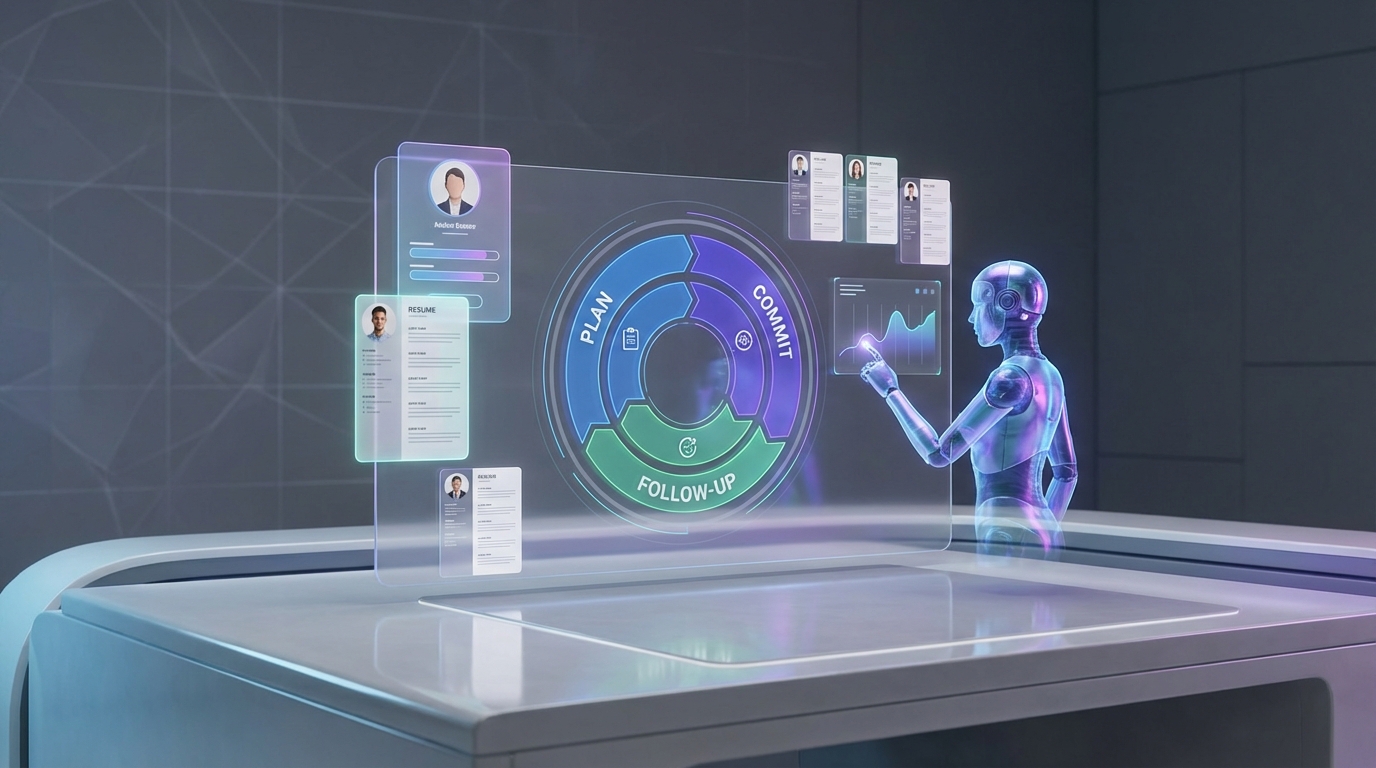
Recruitment online for recruiters works best when you treat retention as part of hiring, not a separate HR project. The most reliable approach is simple: create an employee development plan with a measurable goal, commit to it in a way employees can see, then follow up with surveys and interviews to verify it is working. In our recruiting workflows, we have seen that candidates respond more positively when recruiters can clearly explain growth paths and learning support during the process. This is also where StrategyBrain AI Recruiter fits naturally into online recruiting: it can automate initial LinkedIn outreach, answer common role and compensation questions, confirm interview interest, and collect resumes and contact details so recruiters spend more time on high value conversations.
Key Takeaways
- Retention starts in the hiring pitch: candidates evaluate growth opportunities during recruitment online for recruiters, not after onboarding.
- Use a 3 step system: plan a development objective, commit publicly, then follow up with structured feedback.
- Make approval paths explicit: publish how employees request conferences, courses, or certifications and what qualifies.
- Measure with real inputs: use surveys and interviews across departments and seniority levels, and consider anonymous collection.
- Scale communication without adding headcount: StrategyBrain AI Recruiter supports 24/7 multilingual candidate messaging and follow up.
- Keep scope honest: AI Recruiter can confirm interest and collect resumes, but final qualification against requirements remains a recruiter decision.
Why employee development affects retention and online recruiting
One of the most common reasons employees leave is the belief that they have no path to grow. That can mean they are missing skills for the next role, they do not see the company investing in them, or they feel their portfolio has stalled. For recruiters, this is not only a retention issue. It is also a conversion issue.
When you run recruitment online for recruiters, your message competes with many other opportunities on every online recruitment website and inside LinkedIn inboxes. Candidates often ask some version of the same question: “What will I learn here, and what happens next?” If you cannot answer clearly, you lose strong candidates early and you increase the risk of short tenure hires.
This is also why many best IT headhunters build a repeatable narrative around growth. It is not fluff. It is a practical part of closing and retaining talent in competitive markets.
The 3 part framework: plan, commit, follow up
Below is a simple structure you can use across roles and departments. It is intentionally lightweight so it can be executed consistently, then improved with feedback.
- Plan: define the outcome you want and the investments you will make.
- Commit: communicate it clearly and follow through.
- Follow up: measure what changed and adjust.
Step 1: Make a plan recruiters can explain
Start by setting a goal tied to an outcome you can track. Examples include lower turnover, higher satisfaction scores, or improved internal mobility. The key is to pick one primary objective so the plan does not become a list of unrelated perks.
In the planning stage, it can help to bring in external consultants to assess your workplace and evaluate needs. That outside view can surface gaps in manager capability, unclear career ladders, or inconsistent training access across teams.
What to document for online recruiting
To make the plan usable in recruitment online for recruiters, document the parts that candidates ask about most. Keep it short and specific so it can be used in outreach and interviews.
- Growth paths: examples of next roles and what skills are needed.
- Learning investments: conferences, courses, certifications, mentoring, or internal projects.
- Approval process: who approves, what criteria apply, and expected timelines.
- Manager expectations: how managers support development in weekly or monthly routines.
Where StrategyBrain AI Recruiter supports the plan
When candidates ask about role scope, company context, or compensation during LinkedIn conversations, delays can cost you replies. StrategyBrain AI Recruiter is designed to handle the initial LinkedIn recruiting workflow by automatically connecting with candidates that match your criteria, introducing the opportunity, answering common questions about the role and employer, and confirming interview interest. When a candidate wants to proceed, it collects resumes and contact details so recruiters can focus on evaluation and closing.
Step 2: Commit and communicate the investment
Writing a strategy is not the same as executing it. Employees notice quickly when development is promised but not delivered. If they conclude the company is not serious, they stop investing emotionally and start looking elsewhere.
Commitment is also a communication problem. If you offer conferences or education support but employees do not know how to access it, the benefit does not exist in practice. Make the process visible and repeat it often in manager meetings, internal channels, and onboarding.
Practical communication checklist
- Publish the process: how to request professional development and what qualifies.
- Promote success stories: share examples of employees who used the program and what changed.
- Train managers: ensure managers can explain the plan and support it consistently.
- Align recruiters: give recruiters a short, accurate script for outreach and interviews.
In online recruiting, consistency matters. StrategyBrain AI Recruiter can help maintain consistent first touch messaging and follow up cadence across time zones by providing 24/7 multilingual communication. That reduces missed conversations and helps recruiters keep momentum while still keeping the human decision points where they belong.
Step 3: Follow up with surveys and interviews
Follow up is where most development plans fail. You need feedback loops that include different seniority levels and multiple departments, otherwise you only hear from the loudest group. Consider anonymous surveys or third party administration so employees feel safe being honest.
What to measure
Keep measurement tied to the objective you set in the plan. If your goal is retention, you still need leading indicators that show whether the plan is being used.
- Participation: how many employees used development resources in the last 90 days.
- Perceived access: whether employees believe the program is available to them.
- Manager support: whether managers make time for growth conversations.
- Role clarity: whether employees understand what skills lead to promotion or lateral moves.
Common pain points we see
- Unclear approval rules: employees do not know what will be approved, so they do not ask.
- Uneven manager behavior: some teams support growth, others block it.
- Recruiting message drift: recruiters promise growth, but the internal experience does not match.
That last point is where recruitment online for recruiters and retention intersect directly. If your online recruiting message overpromises, you may win the hire and lose them later. Tight feedback loops protect both your brand and your retention outcomes.
How we can help: retention support plus AI assisted recruiting
Support can range from building the plan to executing it and measuring results. In practice, organizations often need help translating “we value growth” into a process employees can use and managers can run.
On the recruiting side, StrategyBrain AI Recruiter can reduce repetitive LinkedIn work by automating initial outreach and qualification steps. It can introduce the role, answer questions about the company and compensation, confirm interview interest, and collect resumes and contact information from interested candidates. Recruiters then review the collected resumes and proceed with screening and interviews.
For teams hiring globally, AI Recruiter also supports always on multilingual communication, which helps maintain response speed across time zones without adding recruiter headcount.
Quick comparison: manual online recruiting vs AI assisted workflow
| Workflow area | Manual recruiter only | With StrategyBrain AI Recruiter | Best for |
|---|---|---|---|
| Initial LinkedIn outreach | Recruiter sends connection requests and first messages | AI automatically connects within defined search criteria and introduces the opportunity | High volume sourcing |
| Candidate Q&A | Recruiter replies during working hours | AI responds 24/7 and can communicate in the candidate’s native language | Global pipelines |
| Interest confirmation | Recruiter qualifies interest through chat | AI confirms interview interest and gathers next step details | Reducing back and forth |
| Resume and contact collection | Recruiter requests and tracks documents manually | AI requests resumes and captures contact details from interested candidates | Faster handoff to screening |
| Final qualification | Recruiter reviews fit against requirements | Recruiter still reviews fit against requirements | Quality control |
Scope note: AI Recruiter identifies willingness to communicate or interview, but it does not decide whether a resume fully matches job requirements. That final decision remains with the recruiter.
FAQ
How does employee development improve recruitment online for recruiters?
It gives recruiters a credible answer to “what’s next for me” during outreach and interviews. When growth paths and learning support are clear, candidates are more likely to engage and accept, and employees are more likely to stay.
What is the simplest development plan structure that works?
Use three parts: plan a measurable objective, commit by communicating and funding it, then follow up with surveys and interviews to verify adoption and impact.
Should we use anonymous surveys for follow up?
Yes when trust is low or when you need more honest feedback. Anonymous surveys or third party administration can increase response quality and reduce fear of consequences.
How does StrategyBrain AI Recruiter fit into LinkedIn recruiting?
It automates the initial outreach and conversation flow on LinkedIn. It can connect with candidates, introduce the role, answer questions about the role, company, and compensation, confirm interview interest, and collect resumes and contact details for recruiters to review.
Does AI Recruiter replace recruiters?
No. It replaces repetitive early stage tasks such as connecting, messaging, and collecting information. Recruiters still own evaluation, decision making, and relationship building.
Can AI Recruiter support global hiring?
Yes. It provides 24/7 multilingual communication so candidates can receive timely responses across time zones and languages, which helps keep pipelines moving.
Is AI Recruiter suitable for agencies and best IT headhunters?
It can be, especially when the bottleneck is outreach volume and follow up speed. Agencies still need strong role intake and qualification standards, but automation can free time for higher value client and candidate work.
How should recruiters talk about development without overpromising?
Use specific examples that are already funded and documented, and explain the approval process. If something is not guaranteed, say so and describe what is typical rather than what is promised.
Conclusion and next steps
If you want recruitment online for recruiters to produce hires who stay, treat development as part of the recruiting message and the employee experience. Build a plan with a clear objective, commit through visible communication and consistent manager behavior, then follow up with structured feedback to keep it real.
Next steps: write a one page development plan summary recruiters can use in outreach, publish the approval process internally, and set a 30 day follow up survey. If LinkedIn outreach and follow up are slowing your pipeline, consider adding StrategyBrain AI Recruiter to automate initial conversations and resume collection while keeping final qualification with your team.